Technical Investigation & Operational Diagnostics
Establish what is happening across the complete environment.
When symptoms cross systems, data sources or team boundaries, we gather the evidence, test assumptions and build dependable diagnostic capability around the platforms already in place.
Discuss the Investigation
Diagnose across systems instead of treating each symptom in isolation
Operational faults are difficult to investigate when service state, configuration, transactions and logs are held in separate platforms. One system may show the symptom while another contains the cause, and repeated manual checks can produce different conclusions.
We examine the environment, the expected behaviour and the evidence available at each boundary. We can then carry out a focused investigation or build diagnostic tooling that standardises checks, validation and reconciliation for the teams handling the issue day to day.
A focused investigation may include:
- Cross-system technical investigation to trace symptoms through applications, integrations, data and infrastructure
- Repeatable diagnostic checks that replace inconsistent manual interrogation with a shared evidence path
- Data and state reconciliation to expose conflicting records, missing transactions or incomplete provisioning steps
- Validation before operational change to catch unsuitable inputs and anomalies before activation or handover
- Observability and evidence capture where current logs, metrics or audit records do not answer the operational question
The output may be a technical finding, a set of validated corrective actions or an operational diagnostic suite. Where the investigation depends on difficult exchange between platforms, we can combine it with Systems & API Integration.
Tools selected for the evidence available
-
System Interrogation
APIs, database queries, controlled exports, configuration capture and service-specific diagnostic interfaces
-
Validation & Reconciliation
Expected-state comparisons, transaction checks, completeness rules and cross-system consistency tests
-
Logs, Metrics & Traces
Existing monitoring data, structured logs, event records and targeted observability added where evidence is missing
-
Diagnostic Tooling
Browser-based suites, operator checks, dashboards and evidence views built around the operational task
Requirements suited to investigation and diagnostic engineering
The work starts with the question that needs answering and the evidence required to support the conclusion.
What dependable diagnostics should provide
The objective is consistent evidence and a shorter route to a defensible diagnosis, not automated action without sufficient understanding.
-
Complete Investigation Context
Connect relevant application, data, integration and infrastructure evidence around the same operational event. -
Repeatable Validation
Run the same checks in the same order so conclusions do not depend on individual memory. -
Clear Failure Isolation
Show which expected state or hand-off failed instead of presenting a broad symptom without context. -
Recorded Evidence
Retain inputs, checks and outcomes so findings can be reviewed, compared and used in later investigation. -
Controlled Next Actions
Give the responsible team enough evidence to decide whether to correct, escalate, monitor or leave the state unchanged. -
Fit With Existing Operations
Add diagnostic capability alongside current systems and workflows rather than replacing them by default.
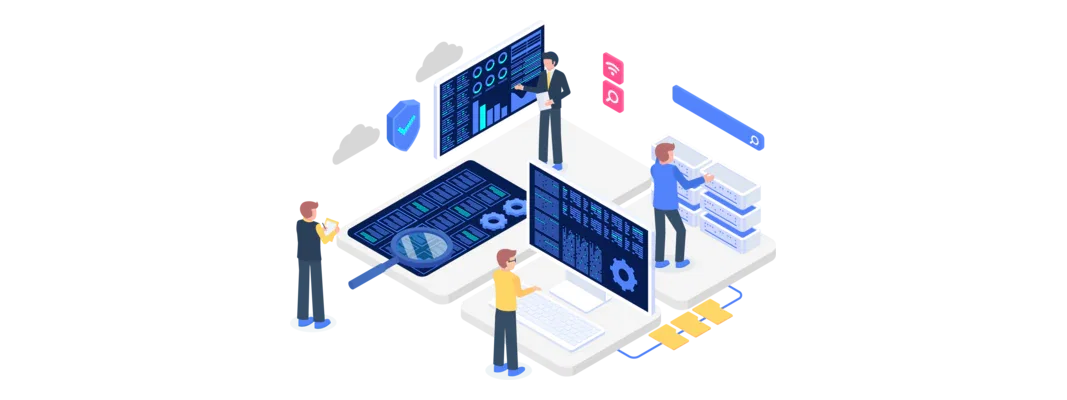
Build the explanation from evidence
We establish expected behaviour, identify the available evidence and test competing explanations. Any tooling is designed around the proven investigation path and the people responsible for using it.
-
Scope the Symptom and Environment
We review affected services, system boundaries, recent changes, known constraints and the operational impact. We distinguish observed facts from assumptions that still need testing.
-
Gather and Reconcile Evidence
We interrogate relevant systems, compare state across boundaries and identify gaps in logs, metrics, configuration or transaction history.
-
Validate Findings and Build Diagnostics
We reproduce or test the suspected failure path where possible, then implement repeatable checks, evidence views or reconciliation logic where the operation needs an enduring capability.
-
Handover Findings and Operating Guidance
We document conclusions, limitations, diagnostic procedures and ownership. Where narrowly controlled corrections are implemented, their preconditions, permissions and validation steps are made explicit.
Operational reconciliation across established telecoms platforms
Case study: unified device provisioning with cross-system reconciliation
A production provisioning platform with explicit checks across billing, support and voice systems.
For a UK communications provider, we built a unified device-provisioning platform around existing billing and PBX systems. It coordinated account updates, device configuration and SIP-service assignment while preserving the responsibilities of the systems already in place.
Reconciliation reports compared billing, provisioning, support and PBX records so staff could find customers, accounts, numbers or configuration that had not synchronised correctly. A processing queue retried failed account changes and removed each item only after successful processing.
Findings remain separate from assumptions
We make clear what the evidence proves, what remains uncertain and what additional instrumentation or testing would resolve the gap. A plausible explanation is not presented as a confirmed cause.
Diagnostics designed for live use
Where the requirement extends beyond a one-off investigation, we turn proven checks into maintainable operator tooling with documented data sources, limits and ownership.
Continue the diagnostic discipline after handover
Systems, integrations and failure patterns change. We can maintain diagnostic checks, refine evidence capture and investigate new inconsistencies as the surrounding environment evolves.
SLA-Based Technical Support provides a defined route for important live incidents. Engineering Support Hours can be used for planned investigation, diagnostic improvements and follow-up engineering.
If poor visibility is rooted in fragmented operational data, Data Integration & Operational Reporting can provide the collection, lineage and reporting needed alongside the diagnostic layer.
Frequently Asked Questions
Have a technical issue or diagnostic requirement not covered here? Tell us what needs investigating.
Start with the symptom and the evidence available
We can examine the systems involved, test the current explanation and determine what investigation or diagnostic capability is needed.